
Penis Enlargement Vacuum Pump
Showing all 2 results
-
Sale!
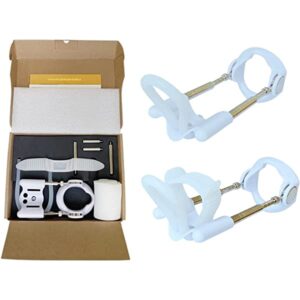
Penis Enlargement Device Pro Extender
Original price was: ₹5,599.00.₹3,399.00Current price is: ₹3,399.00. Add to cart Buy Now -
Sale!
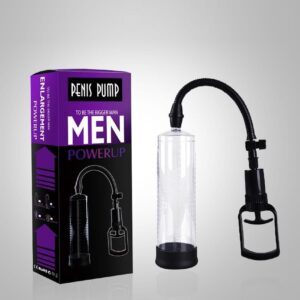
Penis Enlargement Vacuum Pump For Men
Original price was: ₹3,549.00.₹1,849.00Current price is: ₹1,849.00. Add to cart Buy Now
Penis Enlargement Vacuum Pump: Understanding Vacuum Technology and Systems
Modern penis enlargement technology is based on vacuum pump technology, which involves the use of a specific mechanism of applying air pressure to create a specific negative pressure on penile tissue. In contrast to other techniques of enhancement, a vacuum system operates by physics principles, i.e., by elimination of air molecules within an enclosed area to produce pressure differentials which promote blood flow and expansion. To know how these vacuum systems work, how pressure systems are kept safe, and what makes good quality vacuum technology and poor quality technologies different, it is necessary to look at the technical features that characterize good devices. This guide takes a closer look at the vacuum pump systems, discussing air pressure control, cylinder engineering, and technology disparities between professional and amateur vacuum devices.
How Vacuum Systems Generate and Maintain Pressure?
The principle of vacuum pump technology is to pump out the air in a sealed cylinder to an increasingly lower level, resulting in a negative pressure of the cylinder compared to atmospheric pressure. With the removal of air, the pressure difference within the cylinder decreases to lower than ambient (760 mmHg at sea level), and the pressure gradient causes the blood to be pulled into the penile tissues. Manual pumps do this by mechanical displacement- with each squeeze of a bulb or lever, a known amount of air is removed, and internal pressure is reduced. The vacuum that results is not the total lack of air but simply controlled low-pressure environments, usually 0-25 PSI lower than that of the atmosphere. To keep the pressure constant during the session, either continuous pumping (manual devices) or motorized cycles (automatic systems) are needed. Quality vacuum pumps have accurate parts that reduce air leakage, which guarantees the stability of pressure over a long period without having to re-pump the vacuum.
Manual Vacuum Pumps: Control and Mechanical Simplicity
Manual vacuum pumps are based on movements of hands to push out the air and create pressure decrease. Squeeze-bulb designs enable the user to adjust the speed and intensity of pumping: a faster pumping rate results in a greater velocity of pressure drops, whereas a slower rate of pumping allows a comfortable acclimatization process. The ergonomic benefits of lever-type manual pumps, which provide a wider range of force distribution over a larger surface area for those who are not as strong with their hands, are also lever-based. The main benefit of manual systems is that you have full control over the system; you decide how intense the pressure is and how fast the pump is pumping, depending on real-time feedback and comfort. There are fewer moving components in a manual pump as compared to automatic ones, thereby minimizing the points of mechanical failure. The majority of manual systems have a one-way valve that ensures that the air does not re-enter the cylinder when pumping occurs to sustain pressure gains. This is the mechanical simplicity that makes manual vacuum pumps very reliable and can be applied to longer, continuous sessions.
Automatic Vacuum Pumps: Motorized Pressure Cycles
Automatic vacuum pumps use electric motors to create repeated and consistent pressure cycles automatically. These systems are usually characterized by variable pumping speed- in strokes per minute- which also enables individual users to tailor intensity and rhythm. Electronic pressure sensors sense the internal cylinder pressure, and microcontrollers automatically control the motor operation to keep the pressure levels at a desired value. This automation guarantees uniform vacuum strength during prolonged sessions, avoiding the oscillations of pressure observed with manual pumping. Advanced automatic systems have programmable cycles changing patterns of pressure, increasing slowly, staying constant, or alternating between varying pressure conditions to provide a variety of stimulation. The real-time pressure readings and the elapsed time are displayed on digital displays, giving a view of how the devices work. The downside is the higher complexity of the mechanical integrity, i.e., more parts may go wrong, but quality manufacturers design durable motors and control systems.
Cylinder Engineering and Air-Tight Construction
The construction of cylinders is critical in relation to the determination of vacuum efficiency and life. Internal diameter is kept constant, and this is done through precision-engineered cylinder walls to ensure uniform pressure distribution throughout the penile tissue. The choice of material influences performance in a significant way, such as rigid materials, such as acrylic, which resist deformation under negative pressure, preserving dimensional accuracy with thousands of cycles. The construction of flexible silicone cylinders with a slight tissue expansion allows for maintaining the sealing integrity. The sealing interface is located in the cylinder base; the pump mechanism fits into it, and any air leakage in this area compromises the effectiveness of the vacuum. Silicone o-rings or gaskets of medical grade make air-tight seals, with multiple layers in high-end design to offer redundancy. Graduated cylinder readings can also enable visual monitoring of the internal pressure changes, giving tactile responses on the depth of the vacuum. See-through cylinders allow viewing of the inside of the cylinders to check the presence of internal water or debris that might affect their operation, and the visual feedback is more attractive to users who like to see the results forming in real-time.
Pressure Control Systems and Safety Mechanisms
Advanced pressure control is an essential difference between the high-end vacuum pumps and the fundamental ones. Analog pressure gauges are used to monitor the depth of the vacuum in PSI or mm Hg, and users can retain the safe and consistent pressure levels. Digital gauges provide accurate readings and have LED or LCD displays, and they may have audible alerts when the target pressure is achieved. Adjustable pressure limiters avoid over-pressurization by limiting the maximum achievable vacuum- a very important safety measure to ensure that tissue damage does not occur due to excessive negative pressure. Quick-release valves enable immediate equalization of pressure in case of discomfort, halting the creation of a vacuum. Graduated pressure controllers allow the gradual rise of pressure, which is relevant in acclimation in the first sessions. Other, more sophisticated systems have pressure ramping–whereby the intensity of the vacuum is automatically increased in a few minutes–lessening the shock to the tissue and increasing comfort. These innovations of pressure management are an indicator of technical sophistication that directly influences safety and consistency of results.
Vacuum Pumps vs. Other Enhancement Technologies
Vacuum technology is not similar to other types of enlargement. Comparatively, penis rings keep erections by constriction instead of producing pressure differentials. Penile stretchers use longitudinal tension to correct length instead of girth using vacuum principles. Hydro pumps rely on water displacement, rather than air vacuum, and are commonly quicker but need more maintenance. Traction devices are based on the long-term mechanical force application as compared to the instantaneous application of pressure in a vacuum. The vacuum technology is the only one that offers speed of action results within minutes, ease of use, and accessibility. Vacuum systems are the most popular technology used to enhance the appearance of an area worldwide due to their non-invasive nature and lack of surgical or pharmaceutical intervention.
FAQ
Q: What is the safe range of pressure to use regular vacuum pumps?
A: The majority of medical workers suggest the use of 0-15 PSI. Quality equipment has limiters to avoid harmful over-pressurization over 25 PSI.
Q: What is the impact of cylinder diameter on the performance of vacuum pumps?
A: Larger girths are in larger cylinders, which might produce less pressure intensity. Diameter choice must be equivalent for each anatomy to achieve the best comfort and outcomes.
Q: Are there any ways in which pump efficacy can be decreased by vacuum leaks?
A: Yes–even small air leaks greatly reduce the intensity of the vacuum. Periodically check seals and replace gaskets when the pressure decreases suddenly.
Q: Can manual pumping be more effective than automatic cycles?
A: They both are equally effective when utilized appropriately. Manual is more in control; automatic is more consistent and convenient.
Q: What’s the lifespan of a vacuum pump system?
A: Quality manual pumps have a life span of 5 years or above; automatic models have a life span of 2-4 years in relation to the motor life and usage frequency.
Conclusion
Vacuum pump technology is advanced engineering that is an amalgamation of physics, pressure control, and the science of materials. The knowledge of the vacuum mechanisms, pressure systems, and cylinder design will facilitate the recognition of the best devices providing reliable performance. Find out our specialized stock of high-technology vacuum systems, manual vacuum choices, and automatic vacuum pumps. Find complementary products such as penis sleeves and enhancement accessories that are used with a vacuum device.