
Silicone Penis Sleeve
Showing 1–16 of 20 results
-
Sale!
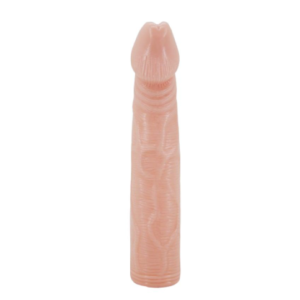
7 inch Long Penis Sleeve Extender
Original price was: ₹3,567.00.₹1,799.00Current price is: ₹1,799.00. Add to cart Buy Now -
Sale!
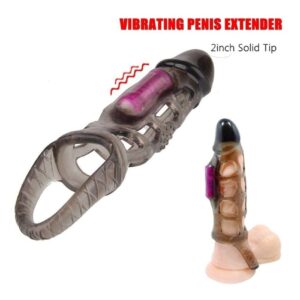
Baile Penis Enhancer Sleeve With G-Spot Vibrator
Original price was: ₹3,000.00.₹2,149.00Current price is: ₹2,149.00. Add to cart Buy Now -
Sale!
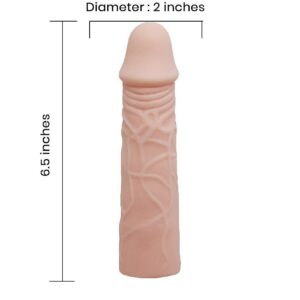
Big Man Strechable Penis Extender Sleeve
Original price was: ₹2,831.00.₹1,350.00Current price is: ₹1,350.00. Add to cart Buy Now -
Sale!
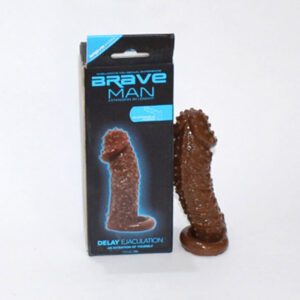
BRAVEMAN Chocolate Penis Sleeve
Original price was: ₹2,457.00.₹1,599.00Current price is: ₹1,599.00. Add to cart Buy Now -
Sale!
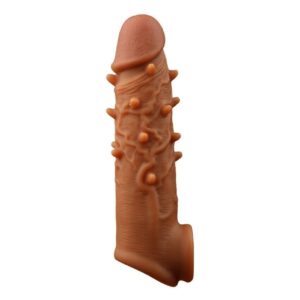
Choco Silicone Penis Condom Sleeve Men Delay Sex Toy
Original price was: ₹3,599.00.₹2,199.00Current price is: ₹2,199.00. Add to cart Buy Now -
Sale!
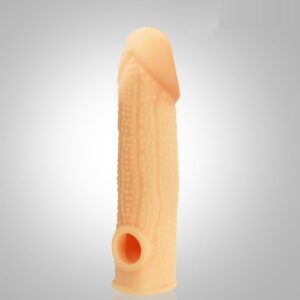
Corn Style Reusable Penis Sleeve Extender For Men
Original price was: ₹2,599.00.₹1,349.00Current price is: ₹1,349.00. Add to cart Buy Now -
Sale!
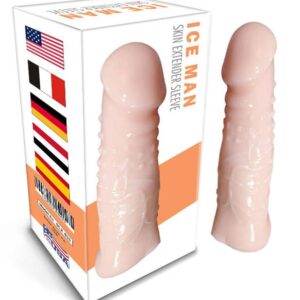
Iceman Realistic Penis Sleeve for Men
Original price was: ₹2,599.00.₹1,599.00Current price is: ₹1,599.00. Add to cart Buy Now -
Sale!
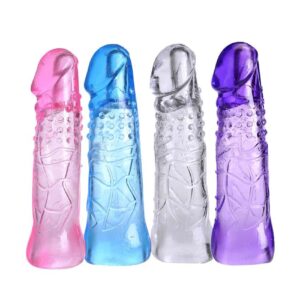
James Love Crystal Soft Penis Extender Sleeve
Original price was: ₹1,899.00.₹1,410.00Current price is: ₹1,410.00. Add to cart Buy Now -
Sale!
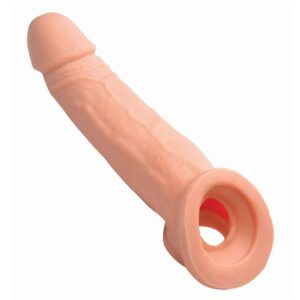
Jumbo Penis Extender Condom Sleeve
Original price was: ₹3,949.00.₹2,449.00Current price is: ₹2,449.00. Add to cart Buy Now -
Sale!
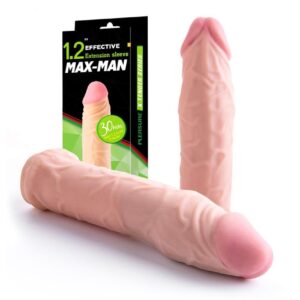
MAX-MAN 16cm Soft Silicon Penis Extender Sleeve
Original price was: ₹3,599.00.₹2,297.00Current price is: ₹2,297.00. Add to cart Buy Now -
Sale!
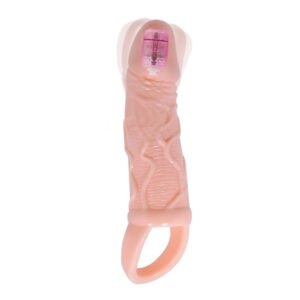
Men Extension Vibrating Penis Sleeve
Original price was: ₹2,949.00.₹2,249.00Current price is: ₹2,249.00. Add to cart Buy Now -
Sale!
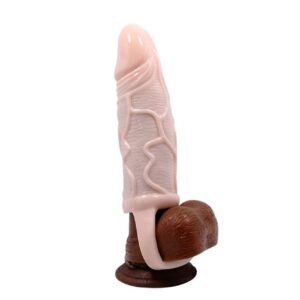
Men Penis Sleeve Extender
Original price was: ₹2,399.00.₹1,499.00Current price is: ₹1,499.00. Add to cart Buy Now -
Sale!
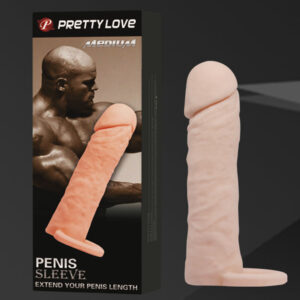
Pretty Love 160*38mm Flexible Soft Penis Sleeve With Cock Ring
Original price was: ₹3,249.00.₹1,910.00Current price is: ₹1,910.00. Add to cart Buy Now -
Sale!
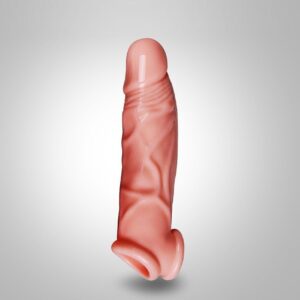
Prolong Ejaculation Lasting Ring Penis Sleeve
Original price was: ₹2,599.00.₹1,849.00Current price is: ₹1,849.00. Add to cart Buy Now -
Sale!
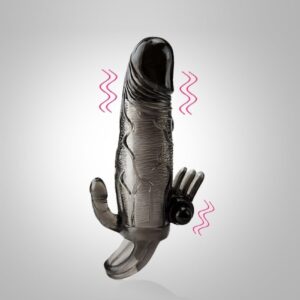
Realistic Penis Condom Sleeve Vibrator
Original price was: ₹2,549.00.₹2,249.00Current price is: ₹2,249.00. Add to cart Buy Now -
Sale!
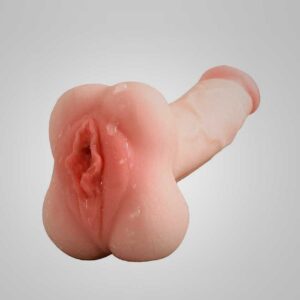
Rẹạlịstịc Penis Extẹnder Sleeve with Attached Vagina
Original price was: ₹5,749.00.₹3,210.00Current price is: ₹3,210.00. Add to cart Buy Now
Silicone Penis Sleeves: What the Material Really Gets You
Chances are if you’re searching this specifically, TPE’s already off the table for you. You know you want silicone. What you probably don’t know yet is how to tell a well-made silicone sleeve from one that’s cutting corners, and that’s the gap this page is meant to close.
Type, sizing, general shopping advice that’s all covered elsewhere on the site. Here it’s just the material.
Why Silicone Behaves Differently
Start with the surface. Silicone is non-porous, and TPE isn’t quite at a microscopic level TPE has a slightly open structure that holds onto bacteria, odour and lube residue no matter how carefully you clean it. Silicone seals shut instead. It cleans properly, and it stays clean for months rather than weeks.
There’s a certification angle too. Silicone has a better chance of being medically certified or platinum-cure than the kind of TPE that you get. So, you see, whenever you have really sensitive skin or have experienced allergic reactions due to lower-quality stuff before, you should be paying just a little bit more attention to that classification which you might otherwise be skimming through.
Soft, Firm, or Some Level Between
People assume silicone is one texture. It isn’t, and the gap between blends is bigger than most buyers expect:
- Softer blends feel closer to real skin and flex naturally with you, though they tear more easily if overstretched
- Firmer blends hold their shape and any moulded detail for far longer, but you lose some of that natural give against the body
- Dual-density: models make a great halfway point by having a soft outer layer over a much more rigid core although for that compromise, you end up paying quite a bit extra.
It is not really a question of what is right or wrong. It’s more like whether the real touch of a natural body part is more important to you than that plastic look of long-lasting shape.
The Real Reason People Pay More for It
We all know that the biggest issue with silicone is its cost, so in fact it is quite helpful to find out exactly what you are purchasing
- Lubricant compatibility is a big one. Oil-based lube slowly wrecks TPE breaks the material down, leaves it sticky, eventually causes it to fall apart.
- Silicone shrugs that off. Colour and texture hold up longer too, without the fading or smoothing you’ll see on cheaper TPE over time, and you won’t get that faint chemical smell some lower-grade TPE develops after a handful of uses.
None of that comes cheap. But that price gap is mostly buying durability and a cleaner material, not bonus features.
Spotting Genuinely Good Silicone
A sleeve that’s holding up well won’t feel tacky after washing. It keeps its shape in storage instead of slowly sagging, and the colour doesn’t yellow under normal light over time.
Cheap blend often padded out with fillers to save on cost tend to show the opposite pattern. Slight stickiness creeps in. The material softens gradually. The surface loses its finish faster than proper medical-grade silicone should. And here’s a small but telling detail: if a listing won’t name the silicone grade at all, that silence is usually doing a lot of talking.
What Actually Separates One Silicone Sleeve from Another
Once silicone is the given, the comparison moves somewhere else entirely. Not “silicone vs TPE” that question’s already answered by the time you’re here. It’s these details instead:
- Firmness (shore hardness, if you want the technical term) decides how the sleeve feels against the body
- Single-density versus dual-density build, which affects both feel and price
- How even the pigment looks across the whole piece patchy colour usually points to a cheaper mould
- Whether there’s a visible seam running down it, another sign of lower-cost manufacturing
These are the details that separate a decent silicone sleeve from a genuinely good one.
If length and sizing are what you need next, the Penis Extender Sleeve and Penis Enlargement Sleeve pages go deeper on fit. For the full lineup across every type, start at the Penis Sleeve hub.
Quick Answers on Silicone
Is silicone actually safer than TPE with the material?
Well, you know it is different materially. A nonporous medical grade silicone retains much less bacteria after repeated uses compared to most TPE blends which is not a marketing statement but rather just a fact of material chemistry.
Is there any importance to the lubricant?
Water-based is definitely the way to go for a safe bet. Oil-based does not cause any problem when it is used on silicone while it is the case of TPE you should not go for it at all also avoid using silicone-based lube as it may interfere with the sleeve over time
What is the usual lifespan of them?
Taking care of a good silicone sleeve in the right way, there is an expectation that it will maintain its appearance and texture longer than a year. Most TPE sleeves won’t get close to that.
Get the material right, and everything else about choosing a sleeve gets a lot less complicated.